While creating your own custom frequencies with our generator is a powerful way to explore brainwave entrainment, sometimes you just want to start with what's proven to work. This guide covers the most popular and effective presets for achieving specific goals like deep sleep, sharp focus, and profound meditation.

Presets for Deep and Restorative Sleep (Delta Waves)
Delta waves (1-4 Hz) are the slow, deep brainwaves associated with dreamless, restorative sleep. If you struggle with insomnia or waking up tired, these presets can guide your brain into a state of deep relaxation.
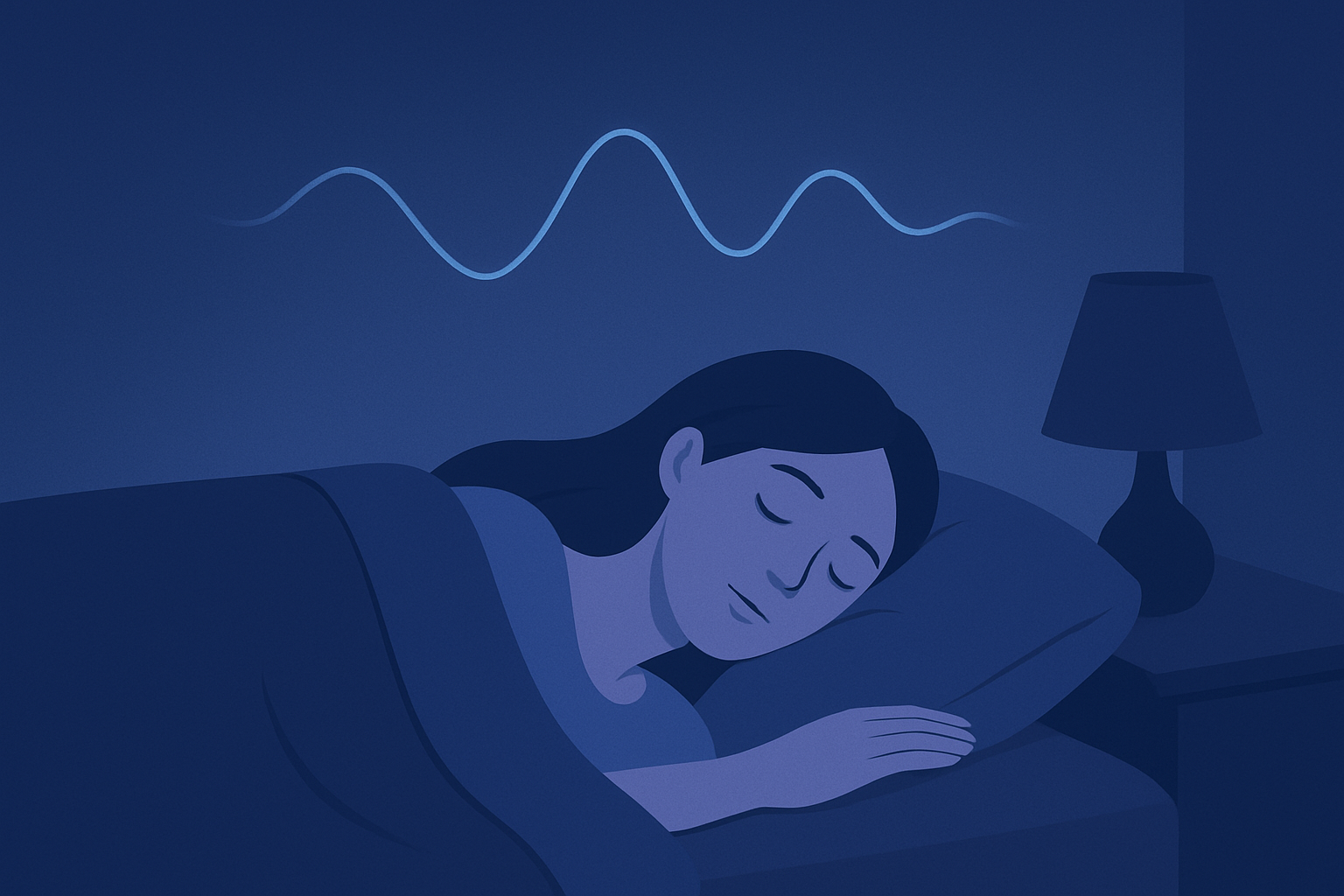
Preset 1: 2.5 Hz Deep Sleep Tone
This is a classic frequency for calming a racing mind and sinking into a peaceful slumber. It's gentle yet highly effective for improving sleep quality.
For more tips, check out our complete guide to using binaural beats for sleep.
Presets for Enhanced Focus and Productivity (Alpha & Beta Waves)
Whether you need calm, creative focus or intense concentration for complex tasks, Alpha (8-13 Hz) and Beta (13-30 Hz) waves are what you need. These presets are perfect for work, study, or any activity requiring mental clarity.
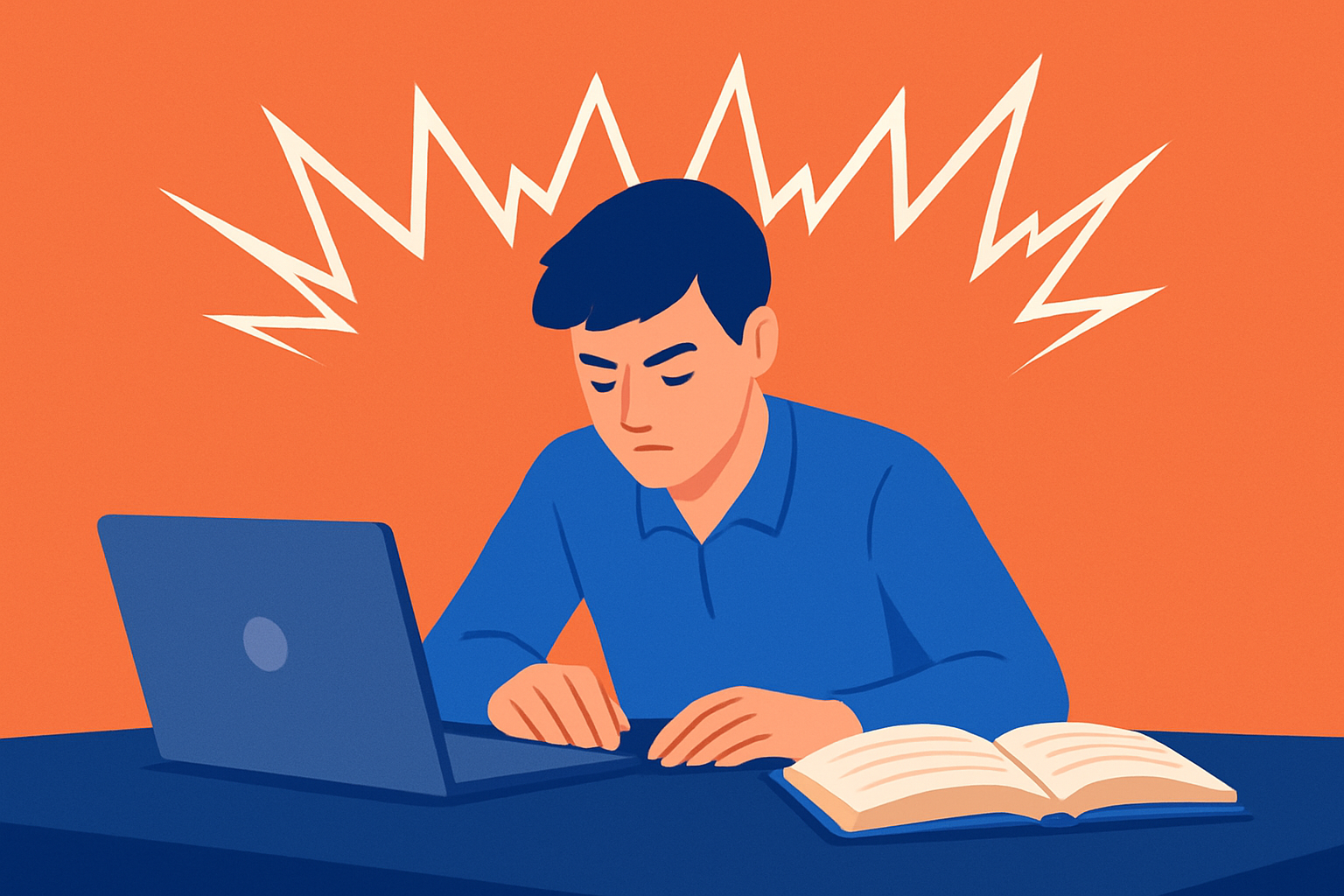
Preset 2: 10 Hz Calm Focus (Alpha)
A versatile frequency for relaxed awareness. It's ideal for reducing stress during work, absorbing new information, or entering a state of creative flow. Learn more about the best frequencies for focus.
Preset 3: 15 Hz Active Concentration (Beta)
When you need to buckle down and solve problems, this Beta wave preset provides the mental stimulation you need. It's excellent for studying, programming, or analytical work. See our guide on how to study more effectively.
Presets for Meditation and Creativity (Theta Waves)
Theta waves (4-8 Hz) are the gateway to deep meditation, heightened intuition, and creative insight. These frequencies help quiet the conscious mind, allowing subconscious thoughts to surface.
Preset 4: 6 Hz Deep Meditation
This frequency is perfect for reaching a profound meditative state. It helps quiet mental chatter and is often used in practices aimed at spiritual connection or self-discovery. Explore more in our guide to meditation with binaural beats.
Preset 5: 7.83 Hz Schumann Resonance
This frequency is known as the Earth's "heartbeat." Tuning into it can create a sense of grounding, balance, and enhanced creativity. It's a favorite for artists and anyone looking to spark new ideas. Read about using binaural beats for creativity.
How to Choose: Binaural or Isochronic?
Remember, you can try any of these presets as either a binaural beat or an isochronic tone. As a quick reminder:
- Binaural Beats: Require headphones, offer a smoother, more subtle experience.
- Isochronic Tones: Don't require headphones, provide a more distinct, intense pulse.
If you're unsure, our guide on binaural vs. isochronic tones can help you decide. We recommend starting with binaural beats and then experimenting with isochronic tones to see what you prefer.
The best way to find what works for you is to experiment. Use these presets as a starting point and adjust them with our generator to perfectly match your goals.
Frequently Asked Questions
What's the difference between binaural beats and isochronic tones?
Do I need headphones to use these presets?
How long should I listen to these presets for best results?
Can I combine different presets in one session?
What's the best time of day to use each type of preset?
Scientific References
- Huang, T., & Charyton, C. (2008). A comprehensive review of the psychological effects of brainwave entrainment. Alternative Therapies in Health and Medicine.
- Garcia-Argibay, M., Santed, R. A., & Reales, J. M. (2019). Efficacy of binaural auditory beats in cognition, anxiety, and pain perception: A meta-analysis. Frontiers in Human Neuroscience.
- Wahbeh, H., Calabrese, C., & Zwickey, H. (2007). Binaural beat technology in humans: a pilot study to assess psychologic and physiologic effects. Journal of Alternative and Complementary Medicine.
- Le Scouarnec, R. P., Poirier, R. M., Owens, J. E., Gauthier, J., Taylor, A. G., & Foresman, P. A. (2001). Use of binaural beat tapes for treatment of anxiety: a pilot study of tape preference and outcomes. Journal of Nursing Scholarship.
- Padmanabhan, R., Hildreth, A. J., & Laws, D. (2005). A pilot study into the effects of binaural beat stimulation on sleep and mood. Journal of Alternative and Complementary Medicine.